
We teach seasonal cooking in ways that stick
Started in 2018 when a former restaurant consultant realized most cooking courses ignore the actual calendar. Ingredients change every month but instruction stays static.
Our approach is straightforward: teach people how to adapt recipes and techniques based on what's available right now. No generic substitutions or vague guidelines. Just specific methods for working with seasonal produce as it arrives.
The courses follow natural cycles. Spring greens need different prep than autumn squash. Summer stone fruit behaves nothing like winter citrus. We walk through each transition with detailed examples and tested techniques.
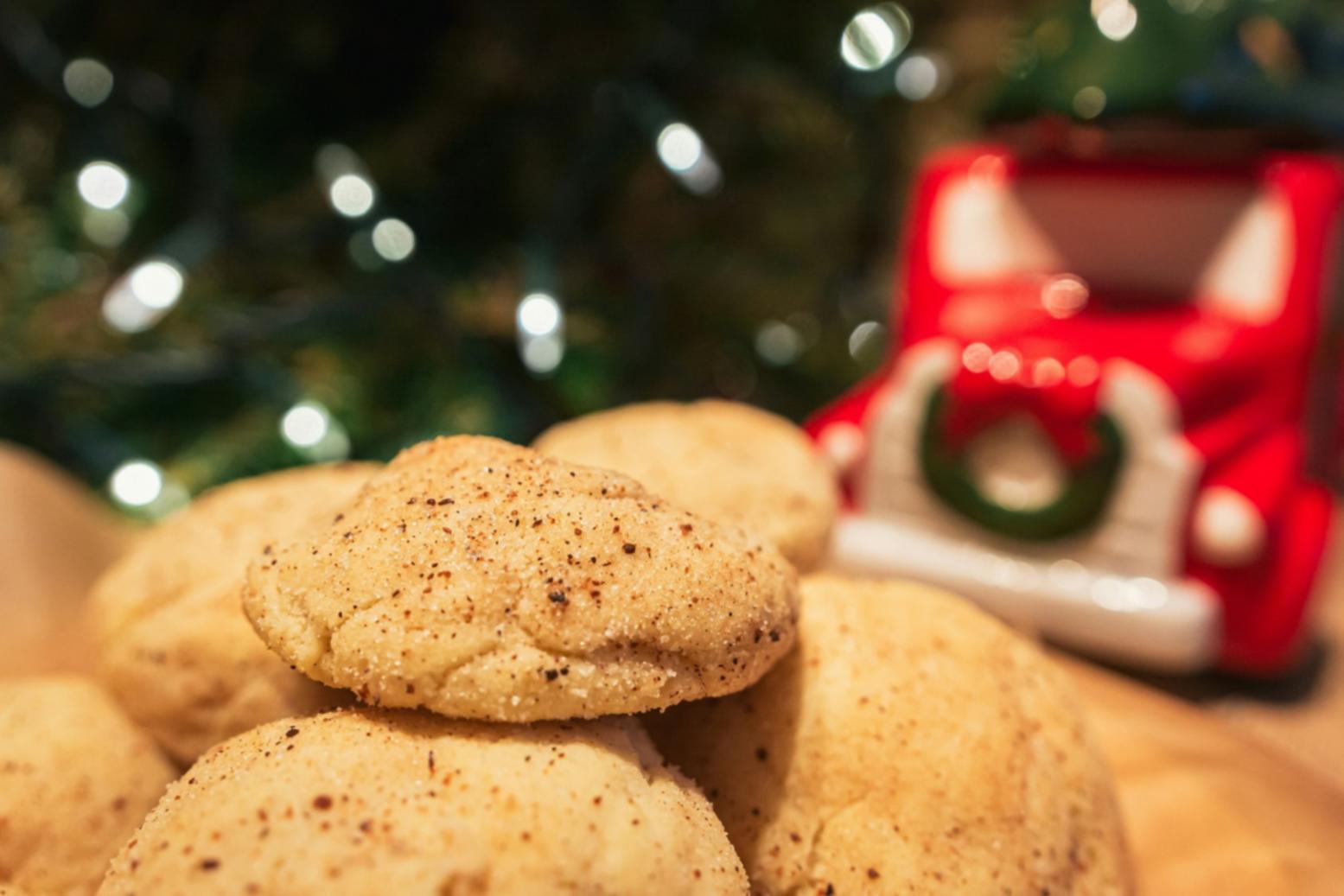
Building from actual kitchen problems
The initial concept came from watching professional kitchens struggle with menu transitions. Chefs knew their ingredients but formal training rarely covered timing or adaptation strategies.
We spent two years documenting how experienced cooks actually work through seasonal shifts. Not the romantic version in cookbooks, but the practical decisions made when suppliers change inventory or weather patterns alter harvest schedules.
That research shaped our curriculum structure. Each module addresses specific scenarios: early season items with limited supply, peak abundance requiring preservation methods, late season ingredients transitioning out. The progression matches real purchasing cycles rather than arbitrary chapter divisions.
Students work through actual shopping scenarios with current availability constraints. This means course content adjusts quarterly to reflect genuine market conditions instead of idealized ingredient lists.
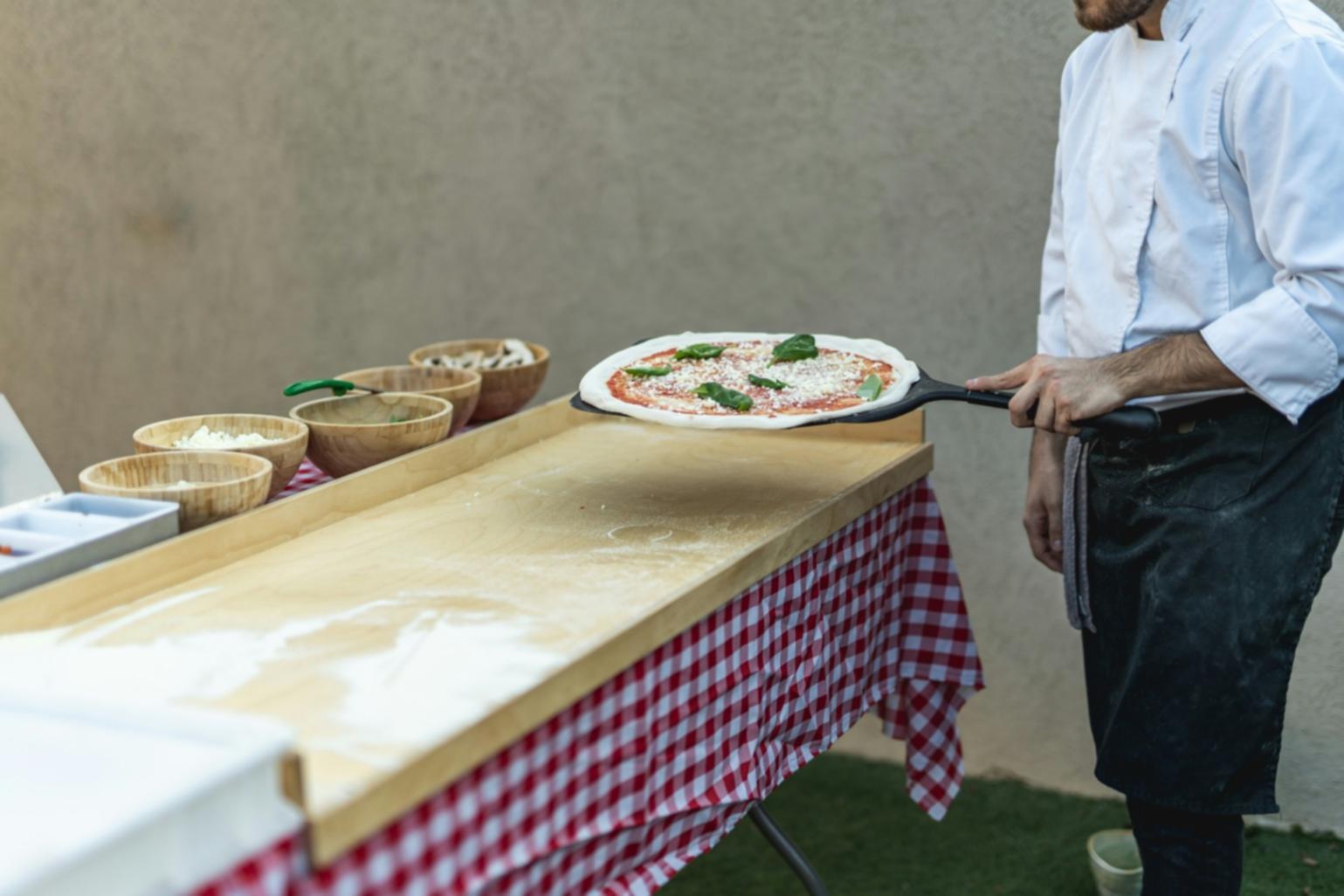
Who runs these courses
Two people with complementary backgrounds handle instruction and content development. Both came from working kitchens before transitioning to structured education.

Dmitri Tuominen
Educational DirectorSpent fifteen years consulting with restaurants on seasonal sourcing across Nordic regions. Built relationships with over forty specialized producers tracking harvest timing and quality variation. Designed menu systems allowing rapid adaptation to supply changes without compromising dish integrity. Transitioned to education after realizing most cooking instruction ignored procurement realities.
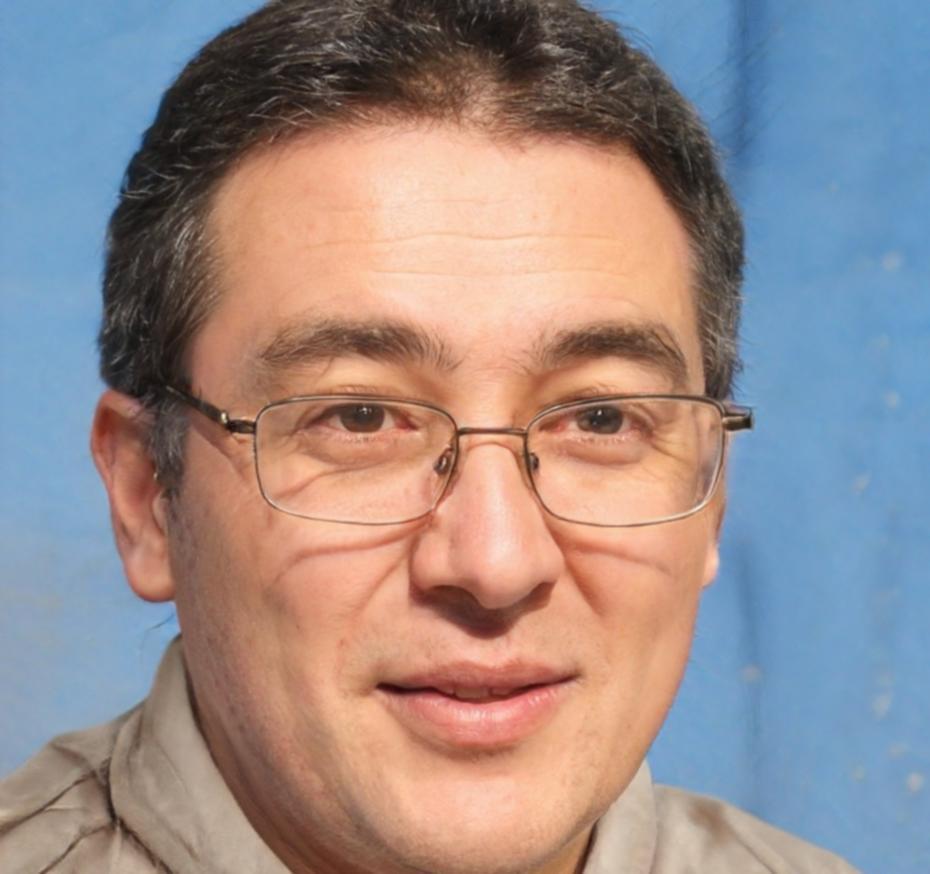
Jakub Wolanski
Lead InstructorWorked production roles in high-volume kitchens for twelve years before moving into culinary education. Specialized in prep systems handling variable ingredient quality and availability. Developed training protocols for line cooks adapting recipes on the fly when expected ingredients failed to arrive. Focuses instruction on technique fundamentals that apply across different seasonal items rather than memorized recipes.
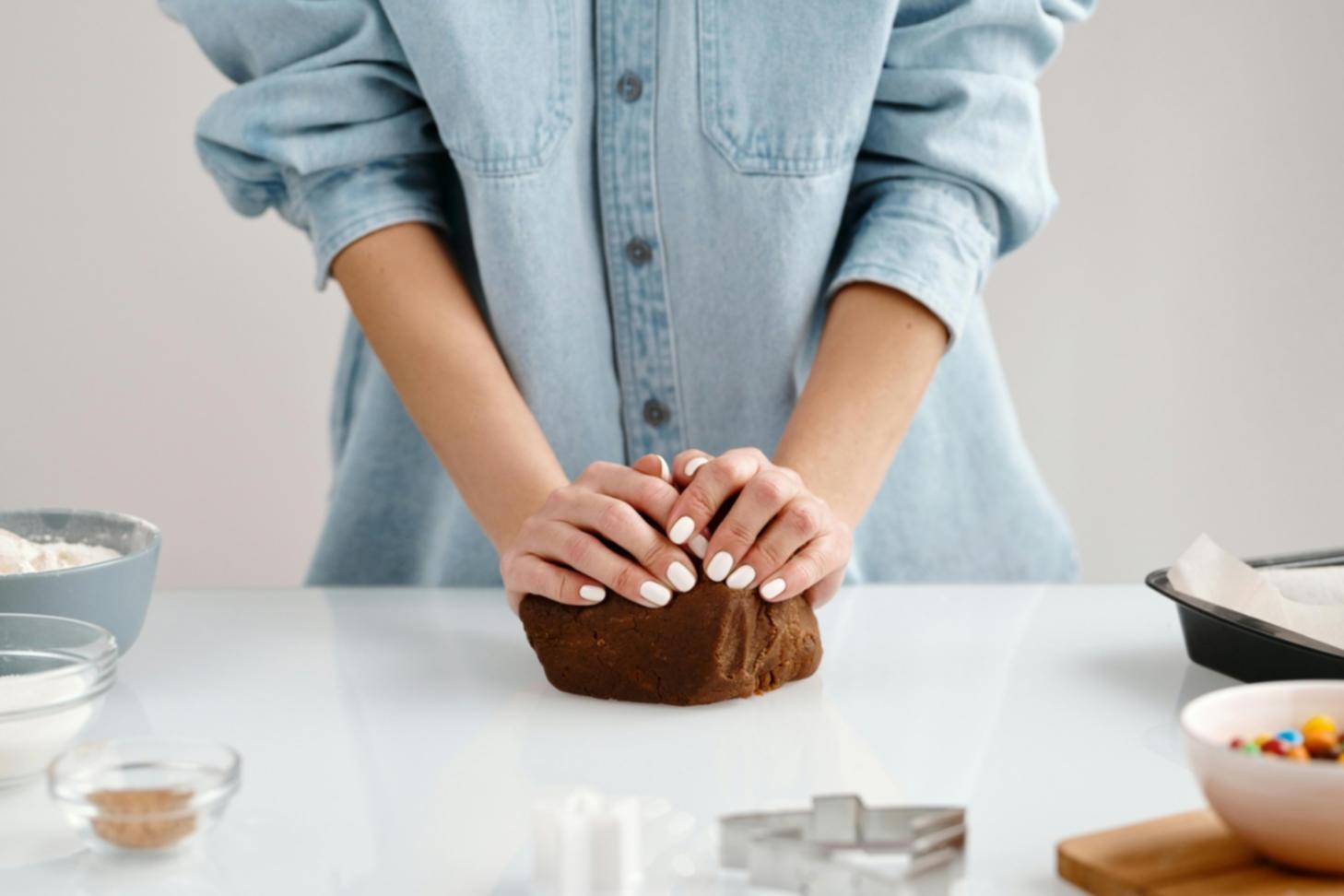
How we structure learning
Sequential skill building
Techniques progress from basic selection and storage through advanced preparation methods. Each skill set builds on previous knowledge without assuming prior expertise. Students work at their own pace through clearly defined competency levels.
Real scenario practice
Exercises replicate actual decision points encountered when shopping or prepping ingredients. Students evaluate quality indicators, determine ripeness timing, and calculate yield estimates using photos and descriptions from current market conditions.
Technique verification
Assessment focuses on observable outcomes rather than following specific steps. Students demonstrate understanding by adapting methods to different ingredients and explaining their reasoning. This ensures transferable skills rather than recipe memorization.