
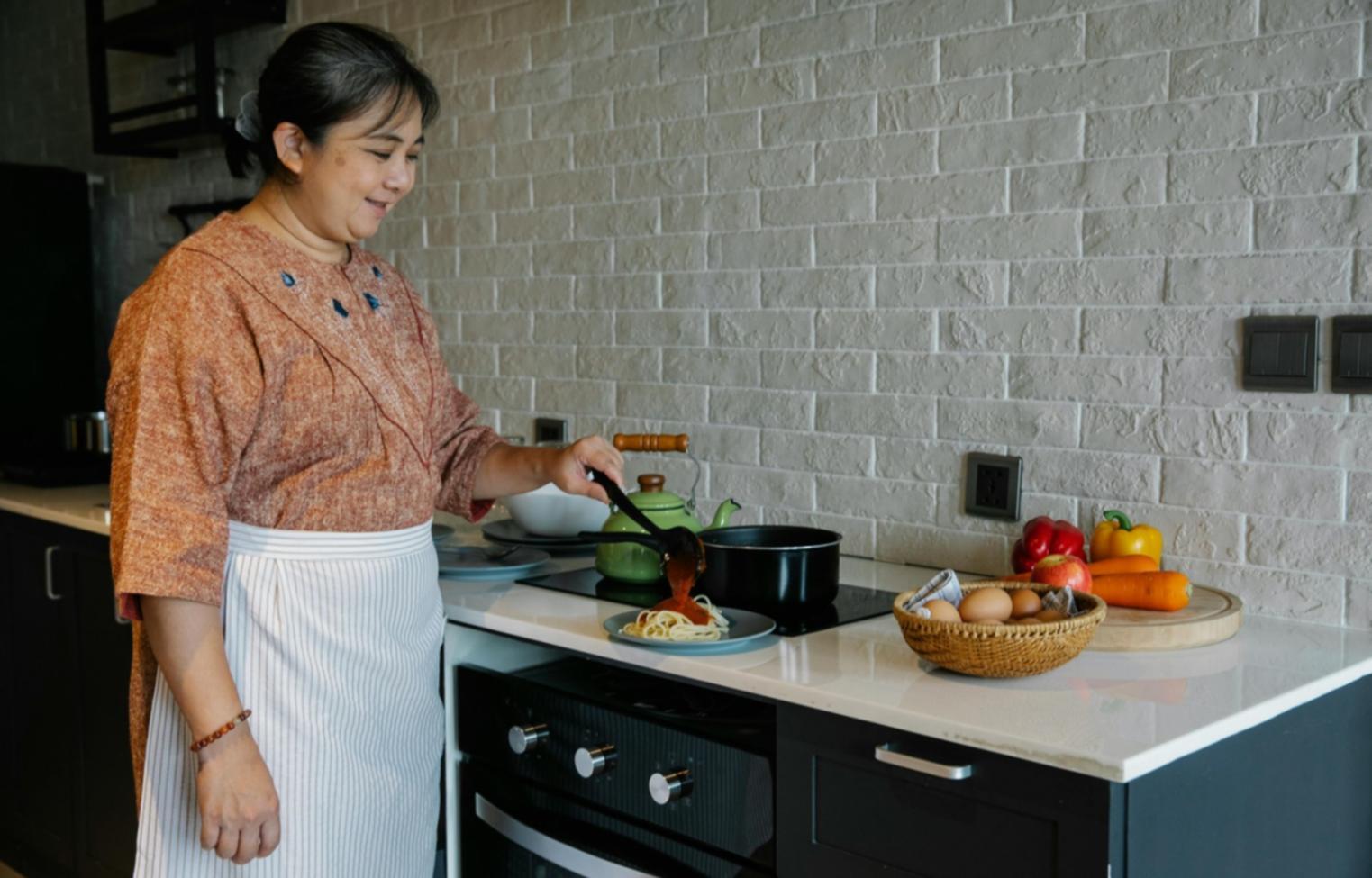
Spending hours online but still confused about which ingredients work when, how to preserve summer flavors, or what techniques actually matter?
Learn Seasonal Cooking Through Structured Lectures That Actually Explain the Science
Different learning needs require different approaches
We offer three support tiers because someone working full-time needs different guidance than someone ready for intensive study. Pick what fits your schedule and learning style.
Self-Paced Access
Watch all lecture videos on your schedule. Download reference materials and ingredient charts. Access our seasonal calendar and technique library whenever needed.
Weekly Q&A Sessions
Join live sessions where instructors answer questions about techniques, ingredient substitutions, and troubleshooting. Submit questions in advance or ask during the session.
Recipe Review Feedback
Submit your recipe adaptations and get detailed instructor feedback on technique, timing, and ingredient choices. Two reviews per month included with premium tier.
What Each Level Includes
| Feature | Self-Paced | Weekly Q&A | Recipe Review |
|---|---|---|---|
| All video lectures | Unlimited access | Unlimited access | Unlimited access |
| Downloadable resources | All materials | All materials | All materials + extras |
| Live Q&A sessions | — | Weekly attendance | Weekly attendance |
| Recipe feedback | — | — | 2 detailed reviews/month |
| Seasonal updates | Quarterly | Monthly | Monthly + early access |
| Community forum | Read-only | Full participation | Full participation |
Where this knowledge actually gets used
Understanding seasonal cooking opens specific career paths and skill applications beyond home cooking. Here's what graduates typically do with this knowledge.
Farm-to-Table Restaurant Operations
Restaurants building menus around seasonal availability need staff who understand ingredient timing, preservation methods, and menu adaptation. Our graduates work as prep cooks, line cooks, and menu planners in establishments that change offerings quarterly.
Food Writing and Recipe Development
Publications covering seasonal eating need writers who can explain why techniques matter and how to adapt recipes. Graduates contribute to food magazines, blogs, and cookbook projects focused on seasonal ingredients and regional cooking.
Culinary Education Assistance
Cooking schools and community education programs hire teaching assistants who can demonstrate techniques and answer student questions. Several graduates work as prep instructors or lead beginner-level seasonal cooking workshops.
Personal Chef Services
Clients hiring personal chefs often request seasonal menus using local ingredients. This knowledge helps plan shopping lists, adapt recipes based on availability, and explain choices to clients interested in eating seasonally.

Real Application Example
Siobhán Ní Mhaoláin, Menu Planner
After completing the program in 2024, I applied for a position at a restaurant that changes its menu every six weeks based on ingredient availability. During the interview, I explained preservation techniques for extending tomato season and how to plan transitions between spring and summer vegetables. That specific knowledge landed me the job.